
20 October 2023, 09:20
Advertisement

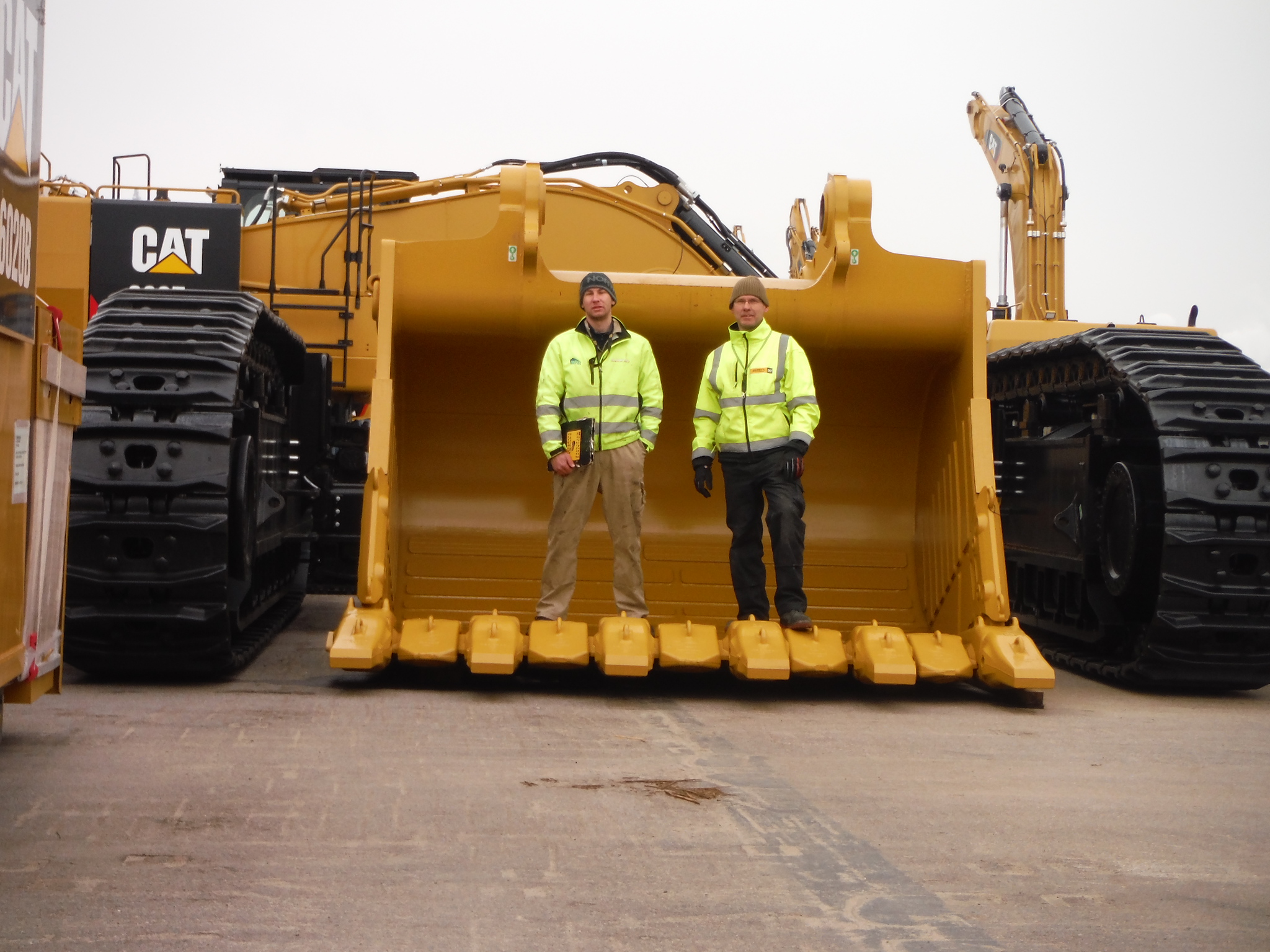
A detailed inspection of the machine prior to purchase can save the buyer a lot of trouble and money. Last but not least, if defects are detected and rectified, it can lead to an extension of the life of the machine. MEVAS, provides top-notch inspection services for used heavy machinery in over 25 countries. As the leading equipment inspection service in Europe, MEVAS has been inspecting second-hand machines since 2006.
Reasons to inspect heavy machinery prior to purchase
Identifying hidden defects can prevent unexpected and costly repairs or replacements after purchase, saving both time and money. An inspection can reveal operational inefficiencies, enabling the buyer to make informed decisions about the equipment's performance and whether it meets their specific needs. Identifying issues and addressing them before purchase can extend the life of the equipment, providing a longer return on investment. Last but not least: If issues are discovered during the inspection, the buyer may have room to negotiate a lower purchase price, potentially saving him even more money than he pays for the inspection.

Physical inspection contributes to valuation accuracy
In the event that someone wishes to sell a construction machine or for internal billing purposes, it is often sufficient to carry out an online valuation according to data. However, if it is a question of an internal sale or a tax-relevant calculation, the authorities often require the price to be determined by an independent expert who also includes the current condition of the machine in his valuation. In such cases, the condition of the machine must be determined. The same applies if it is a case of damage and the settlement with the insurance company is involved.
The step-by-step inspection process
Professional service providers for inspections on machines usually have a standardised procedure. This makes it possible to train inspectors and get them used to the process of the work. In this way, a consistently high quality of inspection is ensured. The Mevas team started to establish a standardised procedure for a wide range of construction machinery inspections as early as 2006. For each important component of a machine, a comment is left in the corresponding field of the checklist. In the best case, it simply says "good". If a component is not OK, a comment is left with an assessment of the defect. Whoever reads the report can decide for themselves whether a part can stay or has to be replaced. Of course, meaningful photos are part of the report. Tyres or track drives are estimated for remaining life or even measured. The last line in the report is always reserved for a general assessment and recommendation.
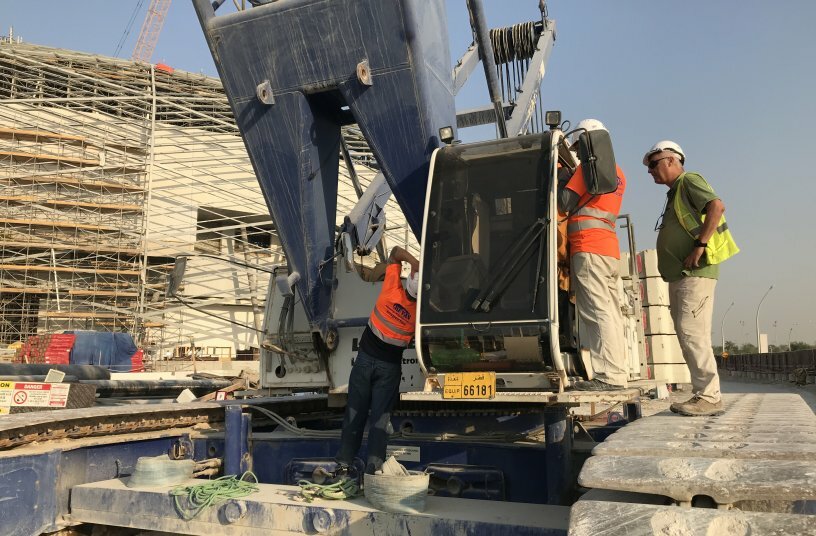
Testing is an essential part of the inspection
MEVAS's inspectors are able to operate all normal earth-moving machines. For special equipment such as asphalt pavers, drilling rigs or mobile cranes, an operator is organised in consultation with the vendor.
Having access to the proper machinery data is the key
On the one hand, our inspectors have many years of experience. So they know pretty much how a machine should work. On the other hand, we at Mevas have excellent connections in the construction machinery industry. This opens up many possibilities for us to obtain missing information. We have recently started a partnership with LECTURA, a global company based in Germany, that has been helping biggest companies with machinery data for over 30 years. LECTURA hosts an online encyclopaedia with machinery specifications for more than 170,000 heavy machinery models, attracting over 1.2 million professional users per month.
For more information, visit the webpage of MEVAS.
Source: MEVAS
Set LECTURA Press as your preferred source