
2 November 2026, 07:37
-
JFE Steel commissions TII KAMAG to supply two Slag Pot Carriers and four Industrial Lift Transporters for its new Electric Arc Furnace steel plant in Japan.
-
The new EAF plant aims to significantly reduce CO2 emissions, with intralogistics solutions supporting efficient handling of molten slag and scrap.
-
Early integration of customized transport and logistics solutions is key to maximizing productivity and sustainable plant operation.
-
TII KAMAG strengthens its role as a trusted partner in the global steel industry's transition towards decarbonization and modernized production processes.
Two KAMAG SPCs and four KAMAG IHTs will support internal material flows at one of the most important decarbonisation projects in the Japanese steel industry.
Advertisement
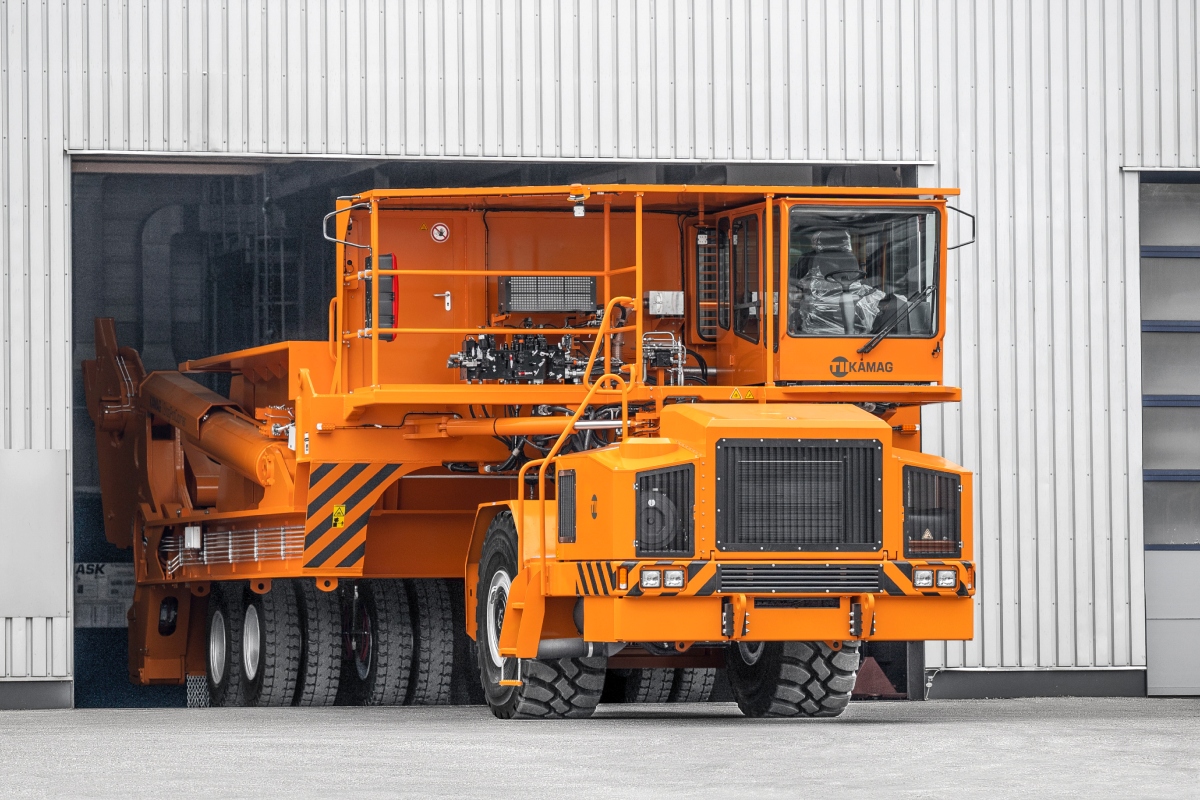
The Japanese steel manufacturer JFE Steel Corporation has commissioned TII KAMAG to supply two KAMAG Slag Pot Carriers (SPC) and four KAMAG Industrial Lift Transporters (IHT). The vehicles will be delivered to JFE Logistics Corporation via Mitsui & Co. Project Solutions. Ltd., TII KAMAG’s local distribution partner and supplier for the project and will be deployed at one of Japan's new Electric Arc Furnace (EAF) steel plants, where they will perform key transport tasks within the production process.
With the construction of the new plant, JFE Steel aims to significantly reduce CO₂ emissions from steel production. Electric Arc Furnaces are regarded worldwide as one of the key technologies for decarbonising the steel industry and play a central role in the transition towards more sustainable steel production. As a result, steel producers worldwide are investing in new EAF plants and the modernisation of existing facilities, placing their trust in TII KAMAG's intralogistics solutions.
For TII KAMAG, the project highlights the growing importance of integrating customised transport and logistics solutions during the early planning stages of new steel plants. Today, material flows, production processes and transport concepts are increasingly considered as a whole to maximise efficiency and productivity throughout the entire lifecycle of a facility.
"The steel industry is undergoing a profound transformation worldwide. Steel mills have been moving towards decarbonization through the adoption of EAF technology, which drastically reduces CO2 emissions. This requires the transportation of greater quantities of recyclable material, especially high-quality scrap, as well as increased volumes of slag.," says Filippo Baldassari, Managing Director at TII KAMAG. " Taking intralogistics into account from the planning stage lays the foundation for higher productivity, more efficient processes and economically sustainable plant operation throughout the entire lifecycle."
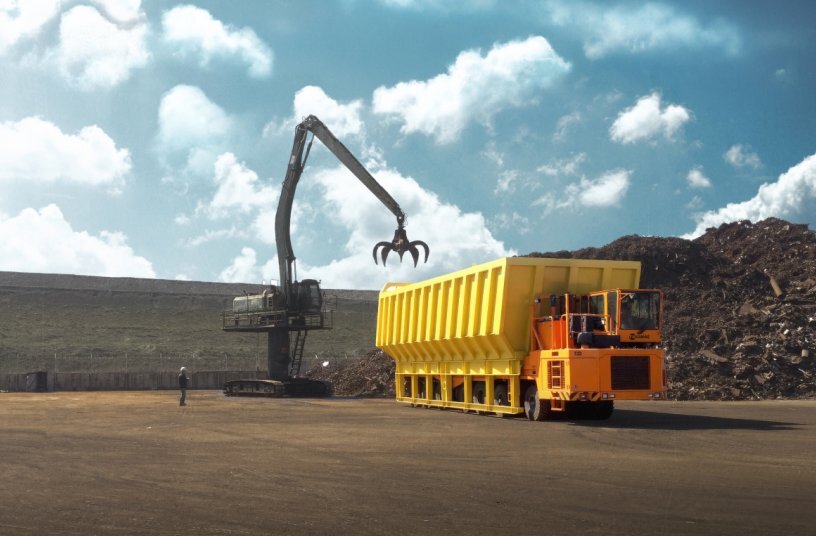
The two KAMAG SPCs will be used to transport molten slag at temperatures of up to 1,500°C within the steel plant. Their vehicle concept enables the precise and safe handling of heavy loads under demanding operating conditions. They are complemented by four KAMAG Industrial Lift Transporters (IHT), which are specifically designed for transporting scrap within the production environment. Together, the vehicles ensure efficient material flows and support reliable plant operations.
Close cooperation with steel manufacturers has been one of TII KAMAG's core competencies for decades. The company supports customers around the world in planning and implementing internal transport concepts for integrated steelworks, rolling mills and, increasingly, new EAF facilities. By becoming involved at an early stage of a project, TII KAMAG is able to tailor transport solutions precisely to production processes, plant layouts and future operational requirements.
With the order from JFE Steel, TII KAMAG further strengthens its position as a trusted partner to the global steel industry. At the same time, the project highlights the growing importance of intelligent intralogistics solutions for the next generation of steel plants and the ongoing transformation towards more sustainable steel production.
Source: TII Group
Set LECTURA Press as your preferred source

