

20 January 2026, 10:10
-
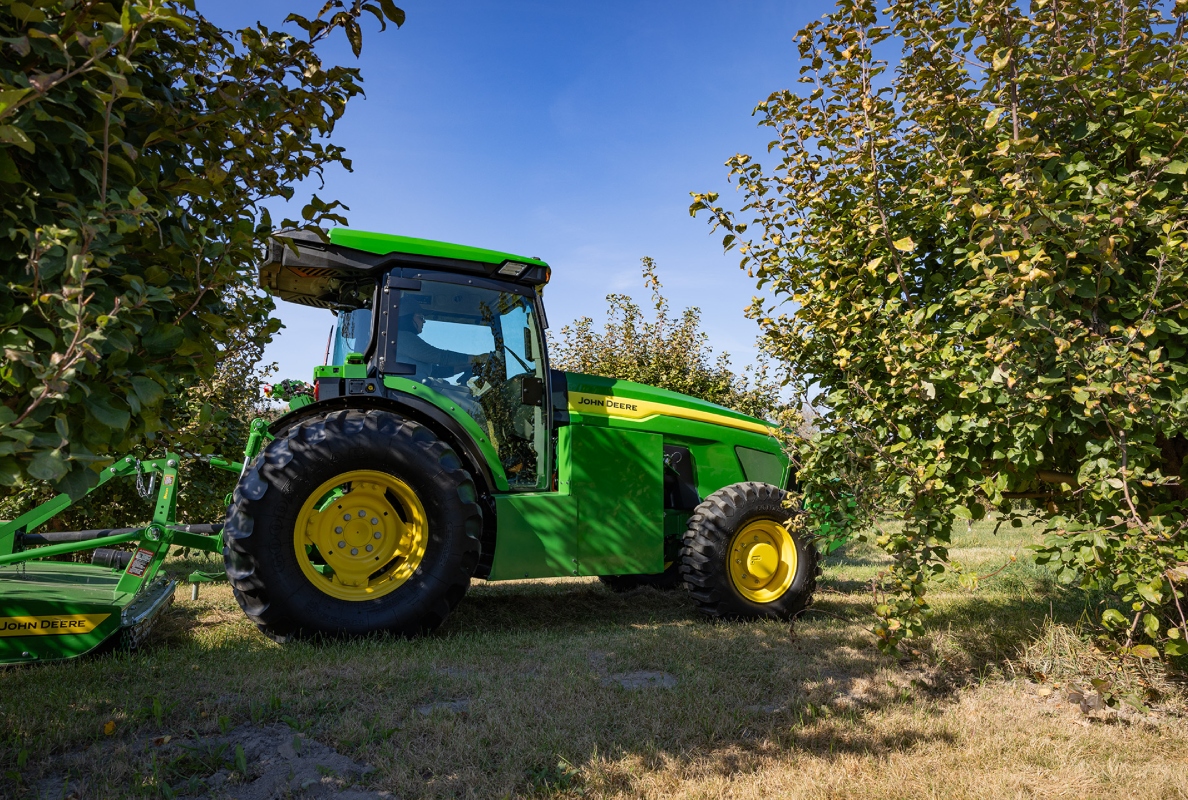
John Deere introduced its first fully electric EPower tractor prototype at Grüne Woche 2026, highlighting its commitment to alternative drive technologies.
-
The company pursues a multipath, technology-neutral strategy combining conventional engines, electrification, and renewable fuels to meet diverse operational and regulatory needs.
-
Advanced modular batteries developed with KREISEL Electric provide scalable, high-performance energy storage with enhanced safety and durability.
-
John Deere supports the use of biofuels and renewable diesel compatible with existing engines to reduce CO2 emissions and aid the transition to low-emission agriculture in Europe.
At Grüne Woche 2026, John Deere is unveiling its first fully electric EPower tractor prototype, underscoring the company’s strategic commitment to alternative drive concepts across all agricultural segments. John Deere is pursuing a multipath approach to alternative drives, combining the continued development of conventional combustion engines with the integration of renewable fuels and electrification. This technology neutral strategy enables farmers and contractors to choose solutions that meet both their operational needs and the evolving regulatory and energy-policy frameworks.
Electrification
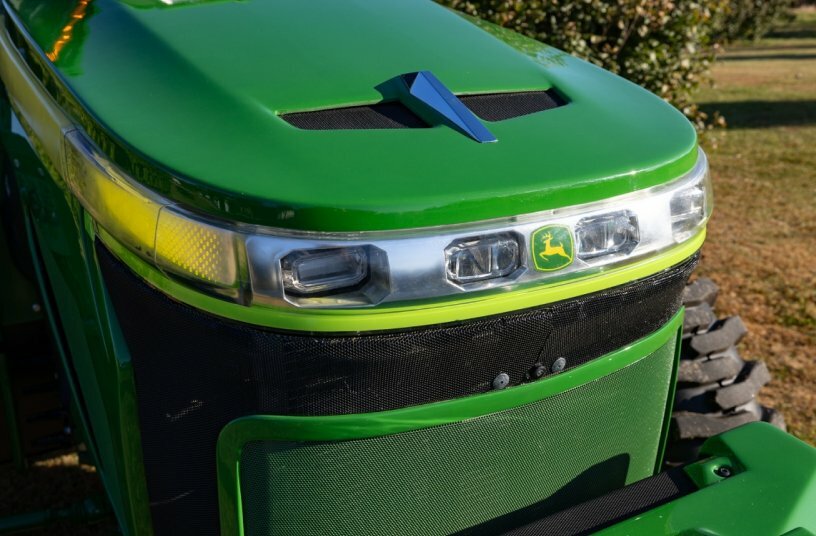
John Deere leverages the expertise of KREISEL Electric to develop modular high-performance batteries offering high energy density and long operating times. Their flexible architecture allows scalable integration into different machine platforms. All KREISEL batteries feature Dynamic Performance Management, based on patented cell immersion cooling and advanced software. This technology optimizes daily performance, service life, and operation under extreme temperature conditions – while ensuring high safety in line with industry standards.

Biofuels
Using biofuels such as ethanol, biodiesel, and renewable diesel makes a significant contribution to reducing CO₂ emissions over the entire well-to-wheel cycle. John Deere continues to invest in the research and development of advanced combustion technologies to ensure high fuel compatibility and strong performance. To guarantee reliable engine function, compliance with ASTM D6751 or EN 14214 quality standards is essential.
Renewable Diesel
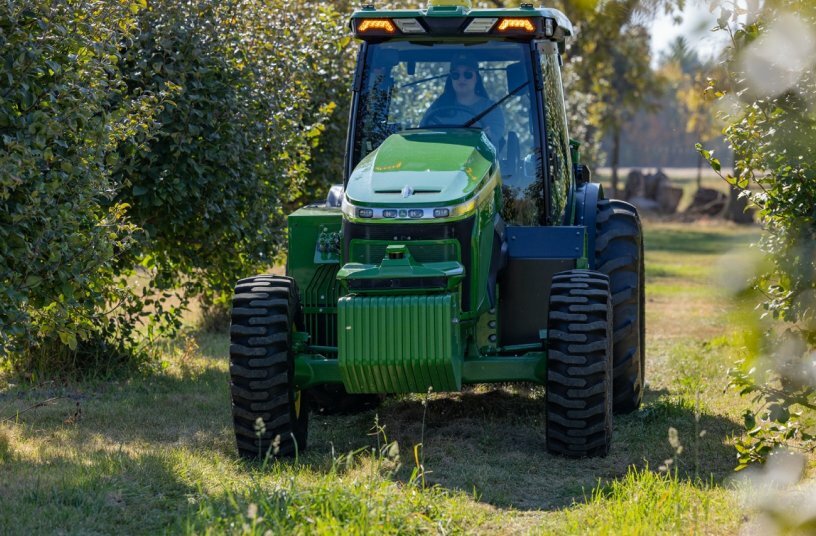
Renewable diesel – particularly hydrotreated vegetable oils (HVO) – is another low-emission fuel option. As a paraffinic diesel fuel, HVO can be used both as a blend and in pure form without any technical modifications to the engine. John Deere engines are compatible with renewable diesel fuels that meet ASTM D975, EN 590, or EN 15940 specifications. Due to its high energy density and low CO₂ intensity, this fuel is especially relevant for European markets focused on decarbonization.
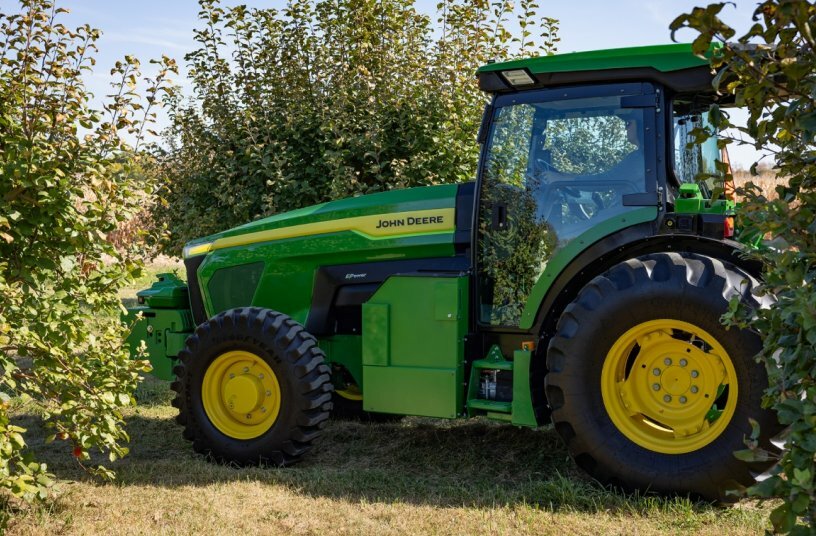
John Deere’s alternative drive strategy supports the transition toward low-emission agriculture without compromising on performance or reliability. With a broad range of technically validated solutions, the company helps farmers and contractors across Europe meet both operational and regulatory requirements in a dynamic energy landscape.
Source: John Deere Walldorf GmbH & Co. KG
Set LECTURA Press as your preferred source

