

28 February 2025, 08:40
-
Kubota introduces an electric retrofit solution for its KX019-4e and U27-4e excavators, enhancing the transition to electric machinery.
-
The retrofit allows customers to replace the standard diesel engine with a modular battery pack, offering flexibility between electric and diesel power.
-
This innovation aims to reduce maintenance costs and operational overheads, providing a cost-effective and sustainable alternative.
-
The retrofit solution delivers low noise levels, making it suitable for urban environments and indoor applications.
-
Kubota's approach addresses the unique usage patterns of construction operators, with battery runtime aligning with typical machine operation hours.
-
The electric retrofit is set to be available by 2025, marking a significant step towards a more sustainable construction industry.
Kubota, a renowned leader in the construction industry, is now making bold strides forward with a groundbreaking innovation in electric excavator design.
Advertisement
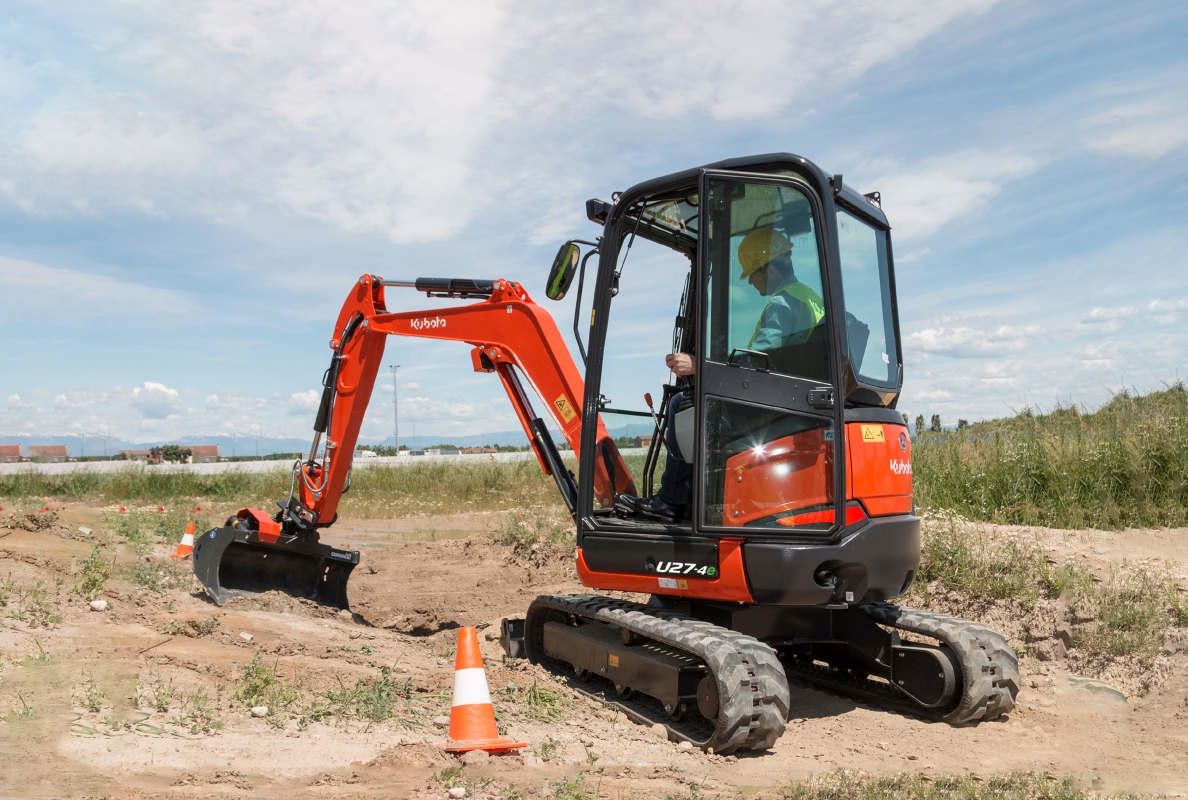
Kubota first introduced its prototype 2.5 tonne electric excavator at Intermat in 2012, marking the beginning of its journey into electrification within the construction industry. Now, the company is taking another significant step forward by unveiling an electric retrofit option for the KX019 (1.8-tonne) and U27-4 (2.5-tonne) diggers. This innovative concept aims to make the transition to electric equipment more accessible and practical for the construction industry.
With global demand for sustainable alternatives on the rise, Kubota is addressing a key industry need: reusability and longevity of machinery. The new solution enables customers to replace the standard diesel engine of their excavator with a modular battery pack. Alternatively, machines can be fitted with the battery pack from new and later swapped out for a diesel engine or vice versa.
Cost has always been a barrier to adopting electric machinery. But with this retrofit solution, customers gain flexibility. They can enjoy the low running costs of electric and still have the option to switch to diesel if necessary. It’s about providing choice and easing the transition to a greener future.
Kubota’s solution also notably reduces maintenance costs and operational overheads. With no engine and associated components, servicing time and expenses are considerably reduced, saving customers both time and money. Additionally, with electricity costing far less than fossil fuels, it offers a highly economical advantage.
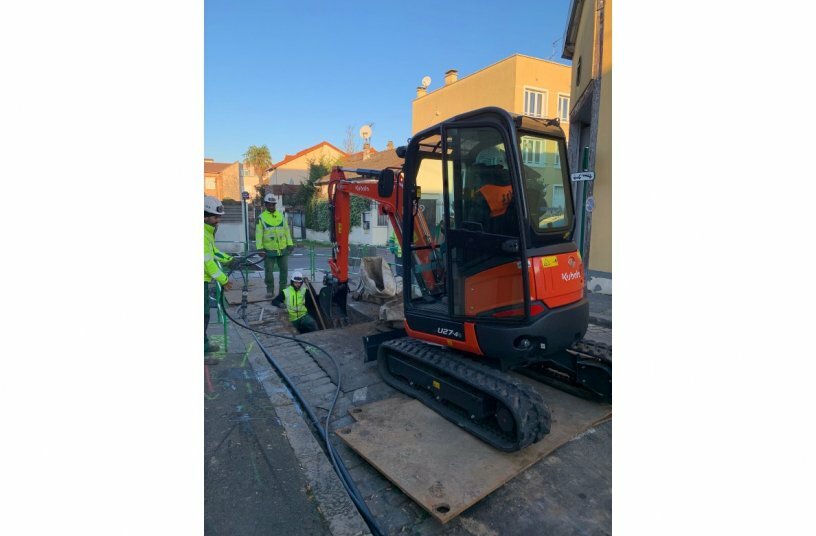
But this isn’t all, the retrofit solution delivers low noise levels, making it ideal for urban environments and indoor applications. Noise levels at the operator station is significantly lower compared to the diesel equivalent, enabling better communication and safety with co-workers. Quiet operation also allows for longer working days, maximising time on-site and accelerating project timelines.
Kubota’s solution addresses the unique needs of construction operators, recognising that many machines only operate for a few hours a day, often less than two hours. The battery pack’s runtime aligns with this usage, and with the ability to top up charges throughout the day, working hours can be easily extended.
While electric models are yet to dominate the market, Kubota’s approach is focused and practical, aimed at providing an easier path to adopting electric technology without abandoning the flexibility of existing diesel setups. By offering a solution that bridges the gap between traditional and electric machinery, Kubota is making significant strides towards a more sustainable industry.
The electric retrofit is expected to roll out throughout 2025.
Source: Kubota
Set LECTURA Press as your preferred source
