

20 March 2025, 10:55
-
Green hydrogen can be produced by anyone using a standard electrolyzer, renewable electricity, and water.
-
Green hydrogen serves as an energy storage system, energy carrier, and energy transporter for solar or wind energy.
-
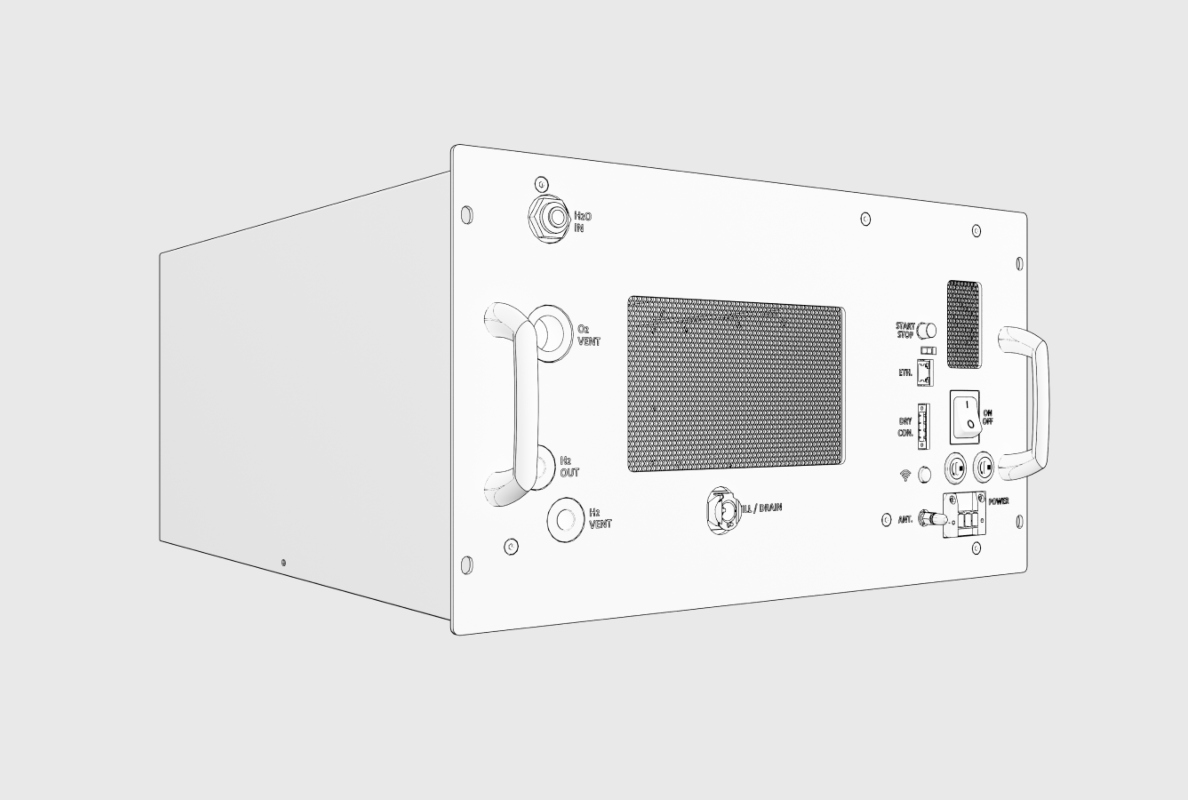
The production process involves an electrolysis module, water treatment, H2 dryer, and possibly a compressor and storage cylinders or pipeline feeding technology.
-
Decentralized hydrogen production offers self-sufficiency and income opportunities, especially in sunbelt and windbelt regions.
-
EVS company will provide information on green standard electrolyzers, self-sufficient systems, fuel cells, storage cylinders, and hydrogen engines at booth no. A 4.116.
Anyone can make green hydrogen themselves! An opportunity and task for all of humanity.
Green hydrogen is currently a very scarce commodity that will be needed in huge quantities in the future.
It can be used universally as an energy storage system, energy carrier and energy transporter of solar or wind energy. This means that it can be used in both engines and fuel cells, and it can be transported from one place to another in pipelines or tanks.
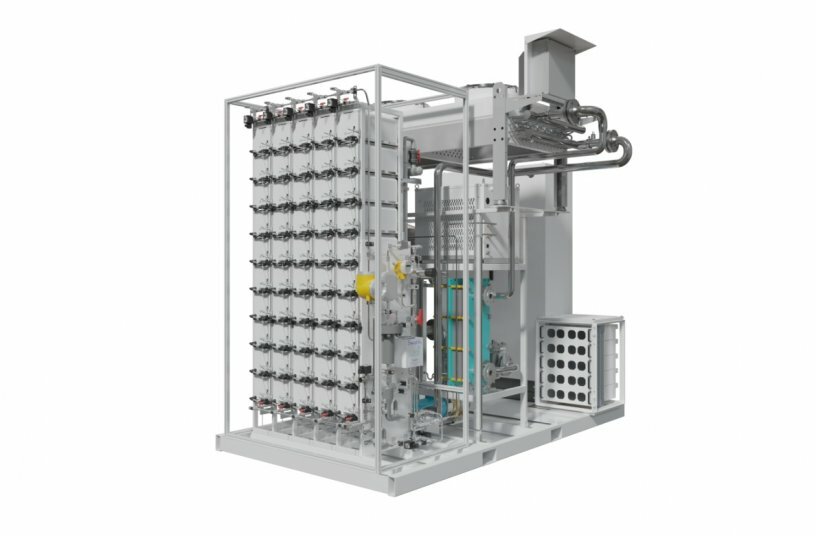
And hydrogen has the unique advantage over all other energy sources, especially fossil or nuclear energy sources, that it can be produced relatively easily and by anyone with the help of an electrolyzer, renewable electricity and water.
All that is needed is a standard electrolyser consisting of an electrolysis module, water treatment, H2 dryer, possibly a compressor and, depending on the intended use of the hydrogen, storage cylinders or feeding technology into a pipeline.
In principle, this enables anyone to produce hydrogen themselves, especially in the sunbelts and wind belts of the earth, and thus leads to a sufficient supply of green hydrogen and unprecedented self-sufficiency. It is also a source of income for future hydrogen producers. This decentralised production of hydrogen is a task and an opportunity for all of humanity.
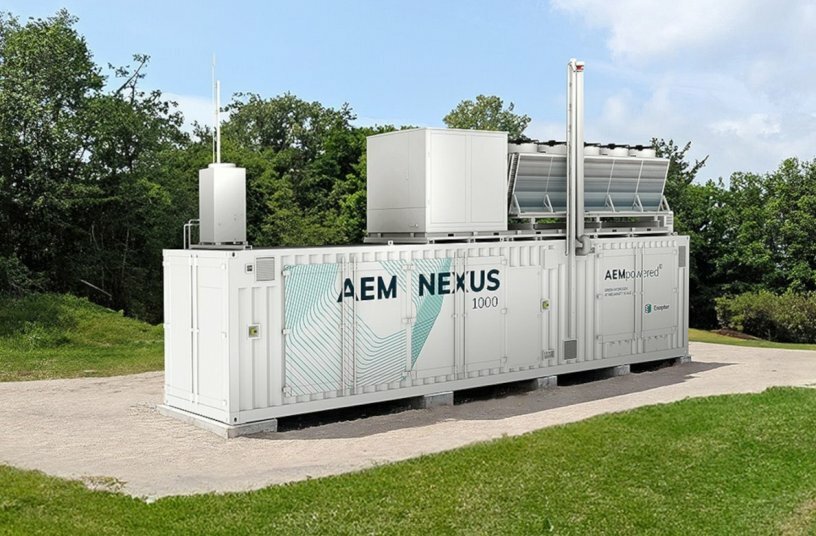
At booth no. A 4.116 of EVS company In addition to information on the “Green standard electrolysers”, you will also receive information on completely self-sufficient systems with controls, fuel cells, and storage cylinders that are sufficient for the winter, as well as information on hydrogen engines.
Source: Enapter Handbook
Set LECTURA Press as your preferred source