

5 November 2024, 15:26
-
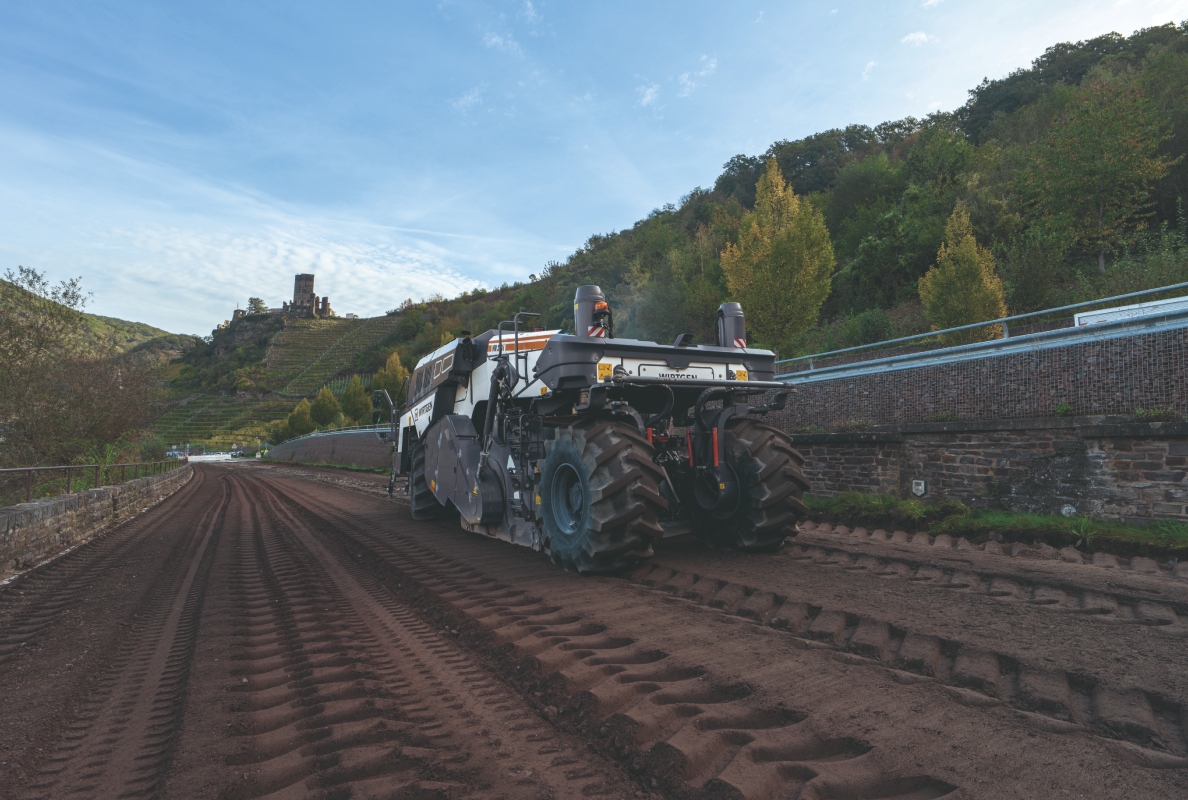
The WRC 240i Rock Crusher from Wirtgen was used to crush and process the asphalt binder course and underlying hand-packed stone layer in situ on the L98 road.
-
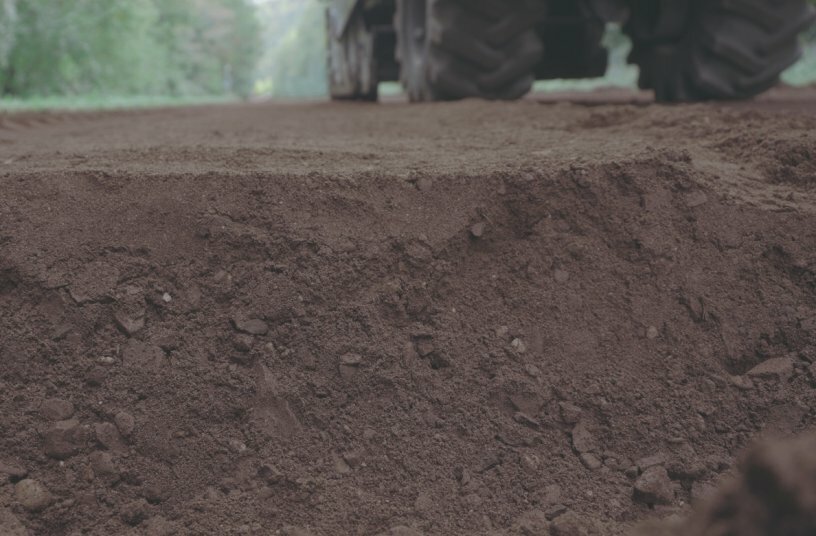
The machine created a new, homogeneous base layer that provides long-term resistance to heavy traffic axle loads.
-
The WRC 240i offers an economical alternative to traditional, laborious road rehabilitation methods by eliminating the need for material transportation.
-
The machine's crushing and mixing rotor, equipped with HT18 tools, processed material to a depth of 35 cm, creating high-quality, homogeneous base layers.
-
The project achieved a crushing rate of 600 tonnes per hour, producing 11,900 tonnes of material in situ and eliminating the need for 1,200 truckloads of material.
-
The use of the Wirtgen Rock Crusher reduced CO₂ emissions by 66%, construction costs by 75%, and project completion time by 55%, allowing the road to be reopened to traffic within two days.
On-site crushing, mixing and screening
Advertisement
The L98, a two-lane country road which closely follows the course of the river Moselle, in the shadow of the medieval castle Burg Metternich. As an important part of this economic region’s infrastructure, it is essential that the road is kept in good condition. Around 3 km of the road in the area around the municipality of Beilstein was in need of structural rehabilitation. After milling off the asphalt surface layer, the remainder of the asphalt binder course and the underlying hand-packed stone layer were crushed and processed in situ in a single pass by a WRC 240i Rock Crusher from Wirtgen. The aim of this was the creation of a new, homogeneous base layer that would provide long-term resistance to the axle loads of future heavy traffic.
An alternative to conventional processing
Hand-packed stone layers like on the L98, or base layers containing large pieces of stone, as often used in the past, mean that traditional rehabilitation can be extremely laborious and that conventional processing is particularly time consuming and costly. Above all the transportation of material takes time and is expensive. With the WRC 240i Rock Crusher, Wirtgen offers a more economical solution and an alternative for the realisation of this challenging task. The WRC also impressed with its productivity, the achievable working depth and the quality of the material it produced.

Heavy-duty crushing and mixing rotor
The crushing and mixing rotor of the WRC 240i processed the existing binder course and the underlying hand-packed stone layer with its HT18 crushing tools to a depth of 35 cm. In the crushing process, the variable and fixed crushing stages ensured that the pieces of stone were fragmented piece by piece to the required size by impact crushing. The screening unit with a clear mesh size of 45 mm in the rear part of the crushing and mixing chamber determined the fragment size of the crushed material. In this way, a new, high-quality homogeneously mixed base layer was created in-situ to a working depth of 35 cm in accordance with the project specifications.

In-situ crushing and mixing replaces transportation of material to and from the site
With a working width of 2.32 m and an advance rate of around 7 m/min, the machine achieved a crushing rate of 600 tonnes of material per hour. On the project site, the total volume of material produced in-situ by the Wirtgen Rock Crusher amounted to around 11,900 t and eliminated the need for transporting approximately 1,200 truckloads of processed or new material to and from the site. After compaction, the new crushed stone base layer was ready for the placement of the overlying asphalt binder course and the paving of the asphalt surface layer.

Reduced emissions, shorter project completion time and lower costs
The use of the Wirtgen Rock Crusher significantly reduced not only the transport costs, but also the overall CO₂ emissions. In this case, the emissions were able to be reduced by 66 per cent. The construction costs for the creation of an unbound, homogeneous base layer were reduced by 75 per cent and the project completion time was shortened by 55 per cent. This meant that the section of the L98 was ready for asphalt paving within only two days and was very soon able to be opened to traffic again.
Source: WIRTGEN GROUP
Set LECTURA Press as your preferred source


