
17 January 2024, 15:45
-
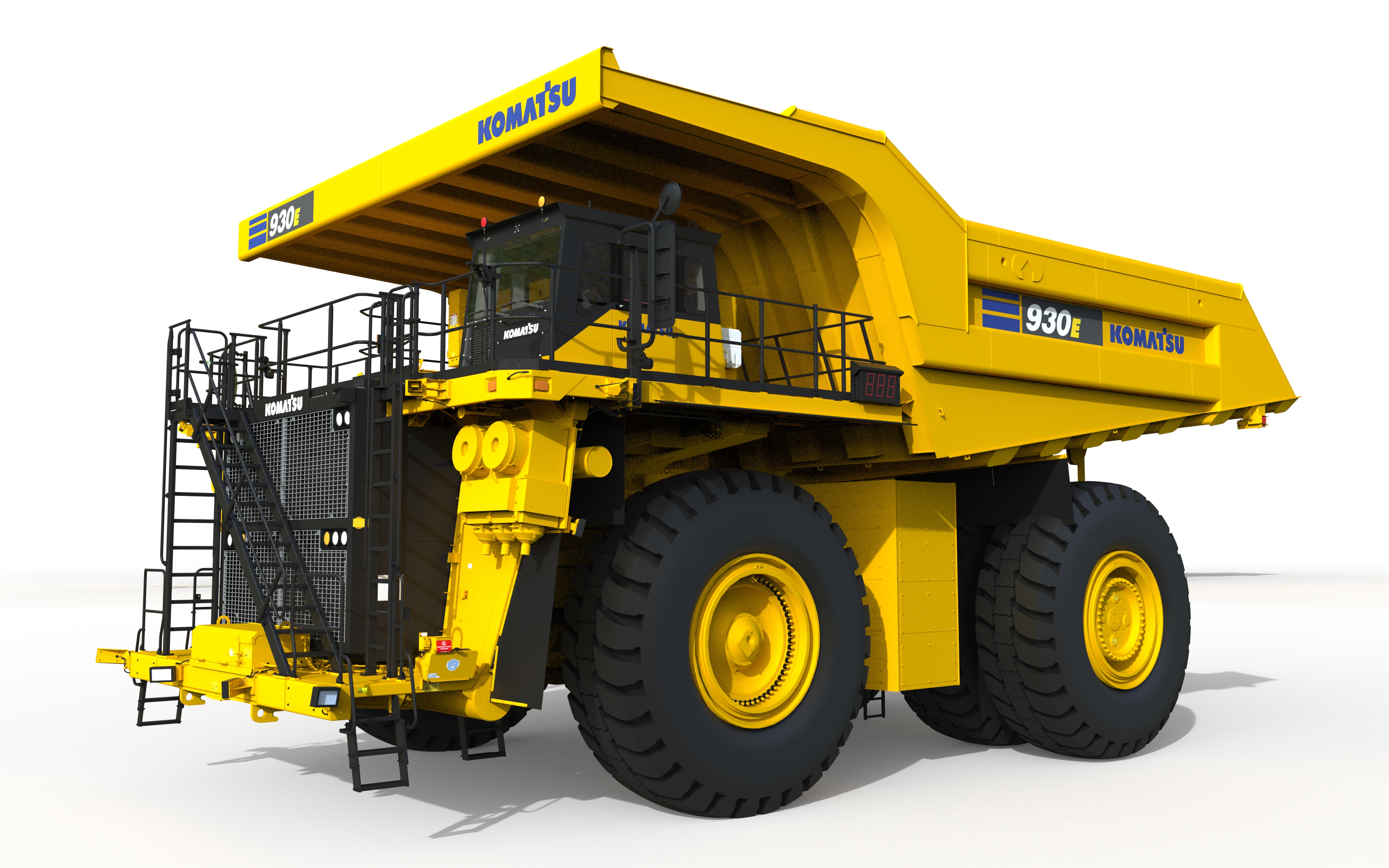
General Motors and Komatsu announce a collaboration to co-develop a hydrogen fuel cell power module for Komatsu’s 930E electric drive mining truck, aiming to electrify heavy-duty mining applications.
-
The partnership leverages GM's expertise in hydrogen fuel cell technology and Komatsu's global presence in manufacturing mining and construction equipment, focusing on the design and validation of the new technology.
-
Hydrogen fuel cells offer a zero tailpipe emissions solution for heavy-duty vehicles like the Komatsu 930E, which has a nominal payload of 320 tons, and can be refueled quickly without compromising payload capacity.
-
Komatsu aims to reduce its global emissions by 50% by 2030 and achieve carbon neutrality by 2050, with strategies including emissions reduction in product use, supported by technology and service solutions.
-
GM sets a goal for full carbon neutrality in products and operations by 2040 and believes hydrogen fuel cells can play a significant role in achieving a zero-emissions future for various industries.
-
The first prototype HYDROTEC-powered mining vehicle is expected to be tested in the mid-2020s at Komatsu’s Arizona Proving Grounds, powered by over 2 megawatts of HYDROTEC power cubes.
-
GM's long-standing research in fuel cell technology complements its Ultium battery platform, with the company selling vehicles under multiple brands including Chevrolet, Buick, GMC, Cadillac, Baojun, and Wuling.
GM expands its vision of an all-electric future to include the heaviest-duty applications, developed with Komatsu
Advertisement
General Motors and Komatsu will co-develop a hydrogen fuel cell power module for Komatsu’s 930E electric drive mining truck, the world’s best-selling ultra-class haul truck. GM, a leader in hydrogen fuel cell technology, and Komatsu, a global manufacturer of mining and construction equipment, will jointly design and validate the technology.
Lightweight and quick to refuel, hydrogen fuel cells are ideal for electrifying applications traditionally powered by diesel engines. Hydrogen provides an effective method to package large quantities of energy onboard the vehicle, without compromising payload carrying capacity.
Additionally, fuel cells provide an excellent zero tailpipe emissions solution for vehicles with extreme hauling requirements, like the Komatsu 930E mining truck, with its nominal payload of 320 tons. These vehicles typically operate at a single mine throughout their life, which simplifies the challenges of sizing and deploying an effective hydrogen refueling infrastructure to service the vehicle fleet.
“At GM, we believe fuel cells can play an integral role in a zero-emissions future, helping to electrify heavier-duty applications, beyond passenger vehicles,” said Charlie Freese, executive director of GM’s Global HYDROTEC business. “Mining trucks are among the largest, most capable vehicles used in any industry, and we believe hydrogen fuel cells are best suited to deliver zero emissions propulsion to these demanding applications.”
Komatsu’s fuel cell-powered mining trucks will provide an additional pathway for decarbonization beyond battery-trolley or battery-static charging solutions, without the need for additional charging infrastructure within mines.
Komatsu has set a target of reducing its global emissions by 50% by 2030 and a challenge target of achieving carbon neutrality by 2050. The plans for achieving these goals include reducing and eliminating emissions within the company’s product offerings, as well as in the company’s facilities and production of its products. Komatsu also works closely with its customers on reducing and eliminating emissions during product use through optimization programs supported by Komatsu technology and service solutions.
GM’s target is to be fully carbon neutral in both products and operations by 2040.
“Finding new ways to power the equipment our customers need to do the vital work of mining and construction is a critical part of our commitment to supporting a more sustainable future,” said Dan Funcannon, vice president of North America engineering and development for Komatsu. “This is essential work that requires cross-industry collaboration, and we are excited to be working with GM on this important solution for a haulage offering without tailpipe emissions.”
GM and Komatsu intend to test the first prototype HYDROTEC-powered mining vehicle in the mid-2020s at Komatsu’s Arizona Proving Grounds (AZPG) research and development facility. This vehicle will be powered by over 2 megawatts of HYDROTEC power cubes.
GM has been conducting fuel cell research and product development for more than 50 years and is one of the only companies with advanced, homegrown technology platforms for both lithium-ion batteries and hydrogen fuel cells. GM and Komatsu believe these complimentary technologies can help spur the adoption of lower-emission mobility solutions and help other industries beyond passenger vehicles meet their sustainability goals.
General Motors (NYSE:GM) is a global company focused on advancing an all-electric future that is inclusive and accessible to all. At the heart of this strategy is the Ultium battery platform, which powers everything from mass-market to high-performance vehicles. General Motors, its subsidiaries and its joint venture entities sell vehicles under the Chevrolet, Buick, GMC, Cadillac, Baojun and Wuling brands.
Source: Komatsu Europe International N.V.
Set LECTURA Press as your preferred source

