

30 September 2025, 16:45
-
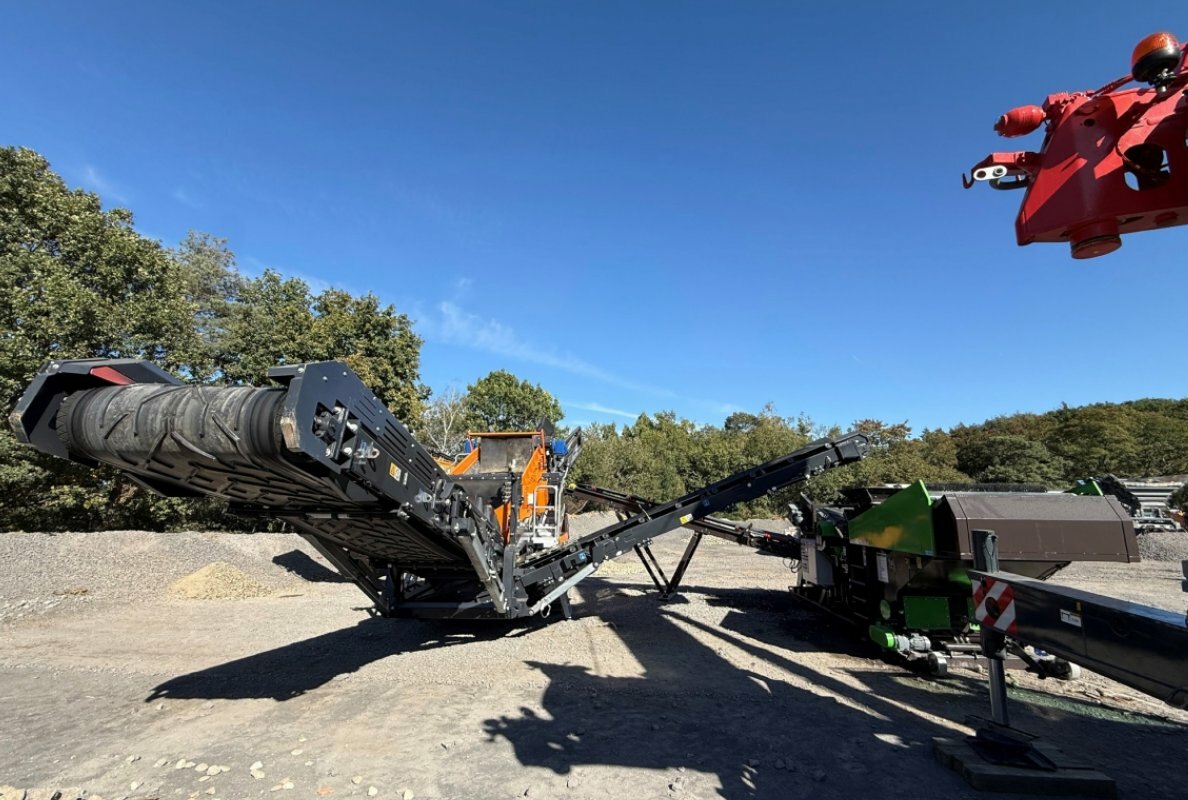
MESDA Germany and HAKO BAU introduce a machine combination designed to produce recycled building materials meeting strict German EBV standards.
-
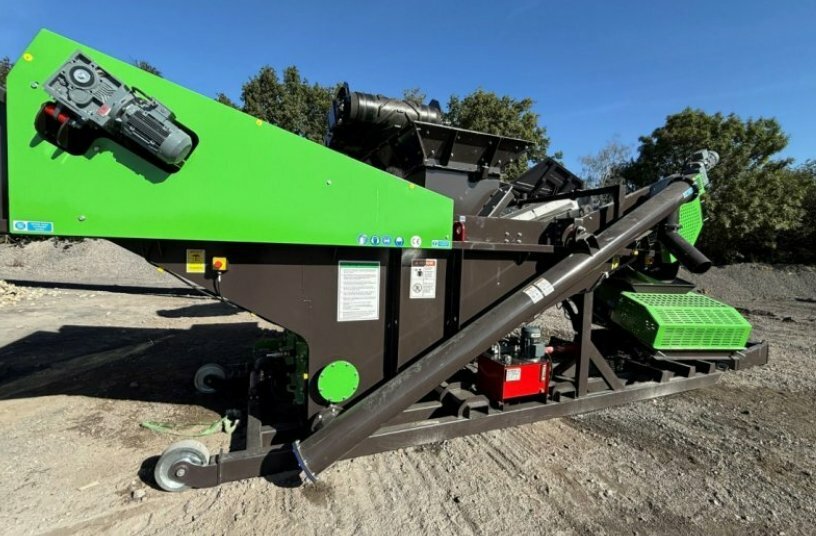
The HAKO WS 1400 uses a water-based float-sink process to effectively separate light contaminants from mineral materials, enhancing product quality.
-
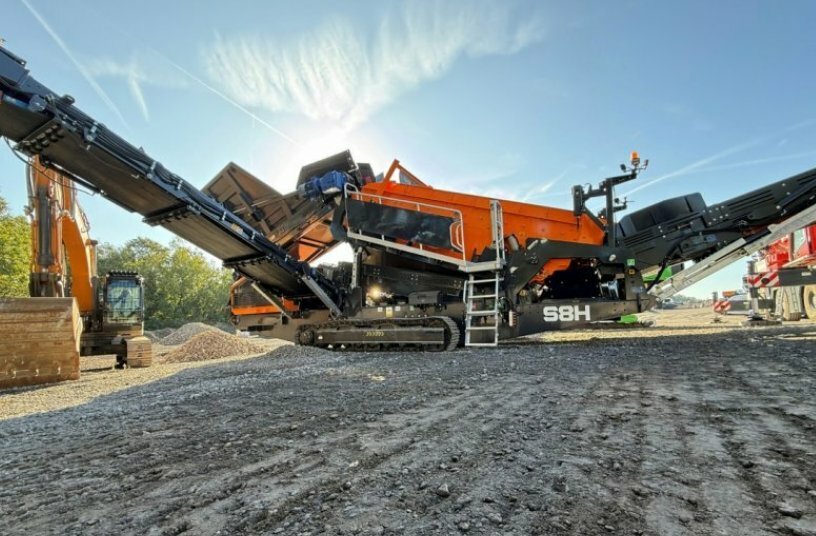
The MESDA S8H scalper features an energy-efficient diesel-electric hybrid drive, enabling high throughput and flexible power options.
-
The system offers operational flexibility with autonomous use on sites, easy integration into existing plants, and convenient transport capabilities.
-
Machine combination meets the requirements of the German “Ersatzbaustoffverordnung” (EBV – Substitute Building Materials Ordinance)
-
Float-sink process enables effective refinement of building materials
-
Easy transport and flexible application options
MESDA Germany and HAKO BAU present a new machine combination for recycling building materials. The solution, consisting of the MESDA S8H scalper and the HAKO WS 1400 lightweight material separator, is a direct response to the increased quality requirements of the German Substitute Building Materials Ordinance (EBV). It enables processing plants to reliably convert contaminated construction waste into quality-assured recycled building materials.
Higher quality, higher yield: The machine combination reliably separates unwanted light and impure materials from mineral materials. This significantly increases the quality of the end product and boosts the yield for recycling companies. “The EBV specifies clear limits for foreign and impure materials. Conventional processes reach their physical limits here,” says Enrico Kallmeyer, Managing Director of MESDA Germany. “This is exactly where our solution comes in: the combination of MESDA and HAKO machines enables our customers to reliably produce high-quality recycled building materials and significantly increase the added value in their processing plants.”
The HAKO WS 1400 uses the float-sink process, also known as density separation. Unlike conventional wind sifting, this process uses water as the separating medium. Due to the significantly greater differences in density in water, the machine effectively separates light materials such as plastic, polystyrene and wood from heavy materials such as stone and concrete. The result is a contaminant-free end product that meets the strict criteria of the EBV.
Flexible and autonomous in use
Lars Fürhölter, Managing Director of HAKO BAU GmbH, emphasises that the decisive advantage of the combination lies in its flexibility: “The machines can be operated independently on construction sites, as the MESDA S8H screening machine supplies the HAKO WS 1400 with power. Thanks to the perfectly coordinated material transfers, they work together smoothly.” Integrating the lightweight material separator into existing recycling plants is also simple and straightforward. Thanks to its compact transport dimensions and hydraulically swivelling discharge belt, the HAKO WS 1400 can be easily moved by hook lift. This makes it the ideal solution for changing locations. It also impresses with low operating and disposal costs and low maintenance requirements.
The energy-efficient S8H coarse screening plant operates with an advanced diesel-electric hybrid drive. It can be flexibly connected to the on-board 129 kW diesel engine (EU Stage V) or optionally to an external power source for emission-free and cost-effective operation. In addition, the generously sized, purely electrically driven double-deck screen box (5.0 m x 1.5 m) increases the energy efficiency of the plant. This enables the machine to achieve a throughput of up to 500 t/h and ensures maximum productivity during demanding primary screening.
Source: MESDA Deutschland GmbH & Co. KG
Set LECTURA Press as your preferred source

